What Really Happens the First Time You Try Orienteering?
Contribution from British Orienteering, supplied by Kay Hawke, Partnerships Manager. Introduction by We Could Wonder.
An introduction from We Could Wonder
If you’ve ever stood at a path junction with a map, you’ve already met one part of orienteering: working out where you are and which way to go next. The activity gives you a series of checkpoints to find, at a walking or running pace.
We asked British Orienteering what someone trying it for the first time should expect. Kay Hawke, their Partnerships Manager, sent us the article below.
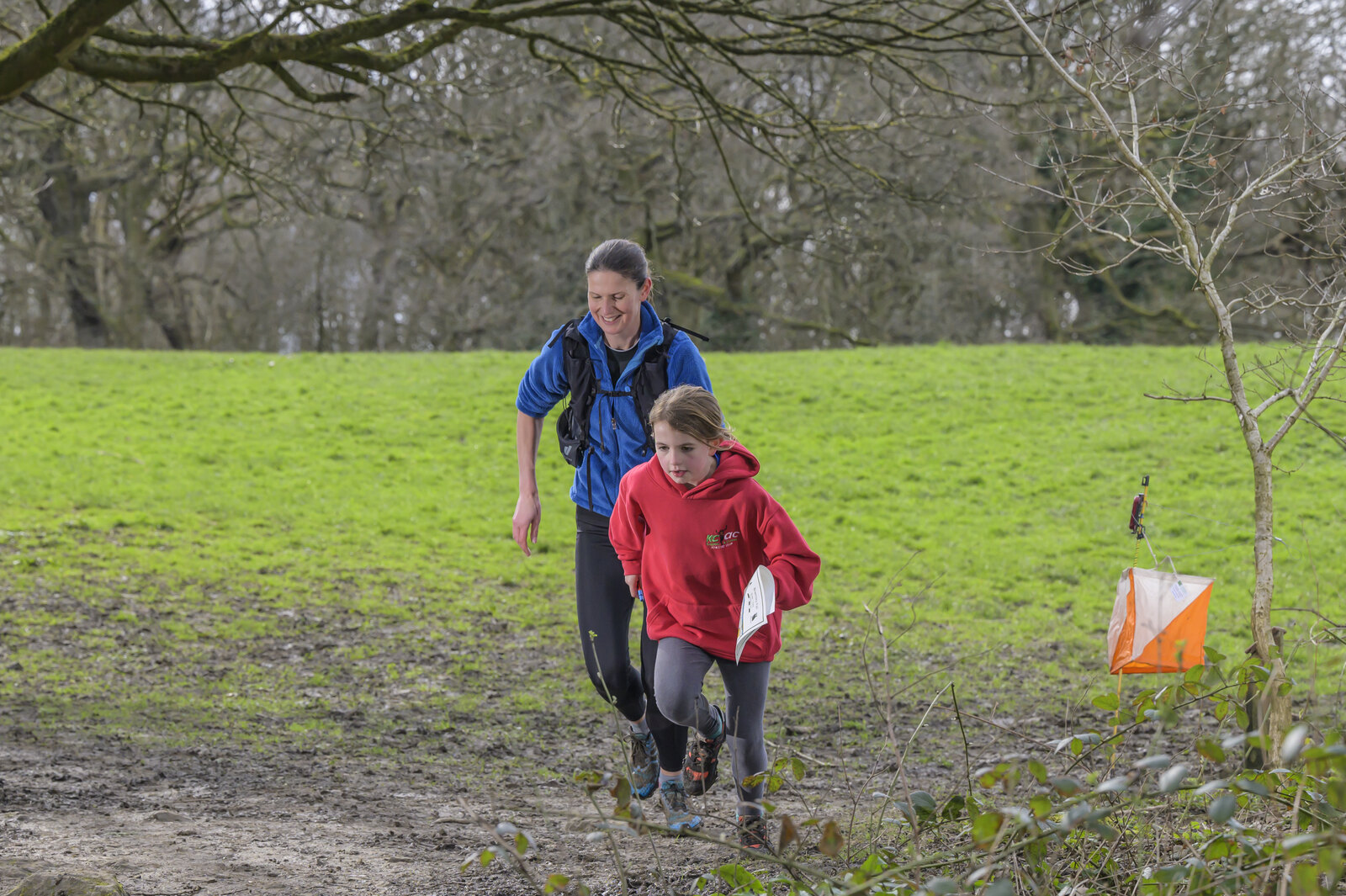
Photograph supplied by British Orienteering.
There are some activities that people stumble across by accident. Orienteering isn't usually one of them.
Which is a little surprising, because it's built around something many of us already enjoy: exploring places, noticing what others miss, and seeing familiar landscapes from a different perspective.
Yet ask almost anyone who takes part and you'll hear a similar story: once they discovered it, they wished they'd found it years earlier.
Part adventure, part puzzle, part outdoor exploration, orienteering combines navigation with movement through parks, forests, urban areas and open countryside. Some people run, some walk, some compete fiercely, and others simply enjoy the challenge of finding their way from one place to the next.
For newcomers, the biggest question is often the simplest:
What actually happens when you try orienteering for the first time?
First, It's Probably Not What You Expect
Many people imagine orienteering as an extreme endurance activity involving compasses, dense forests and highly specialised navigation skills.
The reality is usually much more approachable.
Most first-time participants start on short, straightforward courses designed specifically for beginners. Events are structured so that people can choose a route appropriate to their experience and confidence level. Families, walkers, runners and complete novices regularly take part alongside more experienced navigators.
You don't need to be particularly fast, exceptionally fit, or an expert map reader to get started.
What matters most is curiosity and a willingness to have a go. If you've ever wondered where a path leads, spotted an interesting feature on a map, or chosen the longer route simply to see what's there, you're already thinking a little like an orienteer.
Arriving at an Event
At a beginner-friendly event, you'll normally be welcomed by volunteers who will explain how everything works.
You'll be given a map showing a series of checkpoints, known as controls, which you need to visit in the correct order. These are called ‘Linear Courses’. There are some events which are called ‘Score’ - this simply means, get as many as you can in any order in the time limit. The type of course will be clearly shown on the event details. Your challenge is to navigate between them using the information on the map rather than simply following signs or marked routes, the route you take between them and the pace underfoot is entirely up to you!
If you're new, someone will usually talk you through the basics before you set off. Many clubs actively encourage first-timers and are used to answering the kinds of questions that everyone asks during their first event.
The atmosphere is often far more relaxed and friendly than people expect.
Then Comes the Adventure
Once you start, something interesting happens. Firstly – you get to see the map and checkpoints you need to be heading to.
Then, instead of simply following a path, you begin paying closer attention to your surroundings.
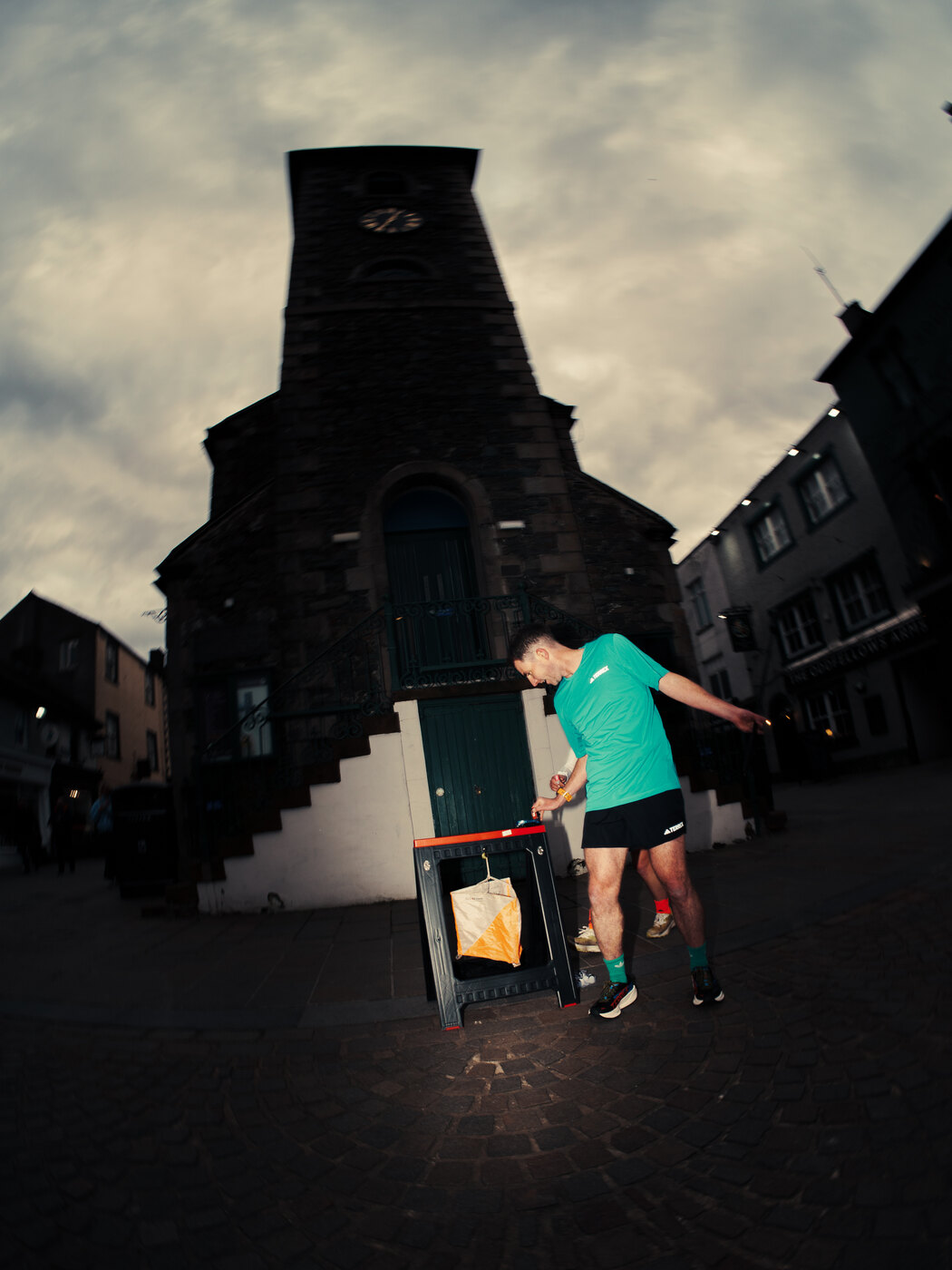
You notice features you might otherwise walk straight past. A junction suddenly becomes important. A distinctive tree helps confirm where you are. A stream, hill, wall or footpath becomes part of the puzzle you're solving.
Even in familiar places, the experience can feel surprisingly different.
Many orienteers describe it as seeing a landscape with fresh eyes. Places become more than just somewhere to pass through. You start noticing how paths connect, how landforms shape your choices and how small details can help you understand exactly where you are. The challenge isn't simply getting from A to B. It's working out the best route and making decisions along the way.
Photograph: Clorroe Cam. Supplied by British Orienteering.
Getting Lost Is Part of Learning
One concern many beginners share is the fear of getting lost.
The reassuring news is that almost everybody makes mistakes.
Missing a path, taking a less efficient route or having to stop and relocate yourself on the map are all normal parts of learning. In fact, experienced orienteers still make navigation errors from time to time.
The difference is that every mistake teaches you something. In many ways, discovering you've taken the wrong route is simply another opportunity to understand the landscape a little better.
Rather than being a failure, a wrong turn is often just another piece of the challenge.
It's More Social Than You Might Think
Although participants complete their courses individually or in small groups, orienteering has a strong community aspect.
After finishing, people often compare routes, discuss decisions they made and share stories about the controls that proved trickier than expected.
Many clubs organise regular events throughout the year, creating opportunities for newcomers to improve their skills while meeting people who share an interest in the outdoors.
For some, the navigation challenge is what keeps them coming back.
For others, it's the places, friendships and sense of discovery.
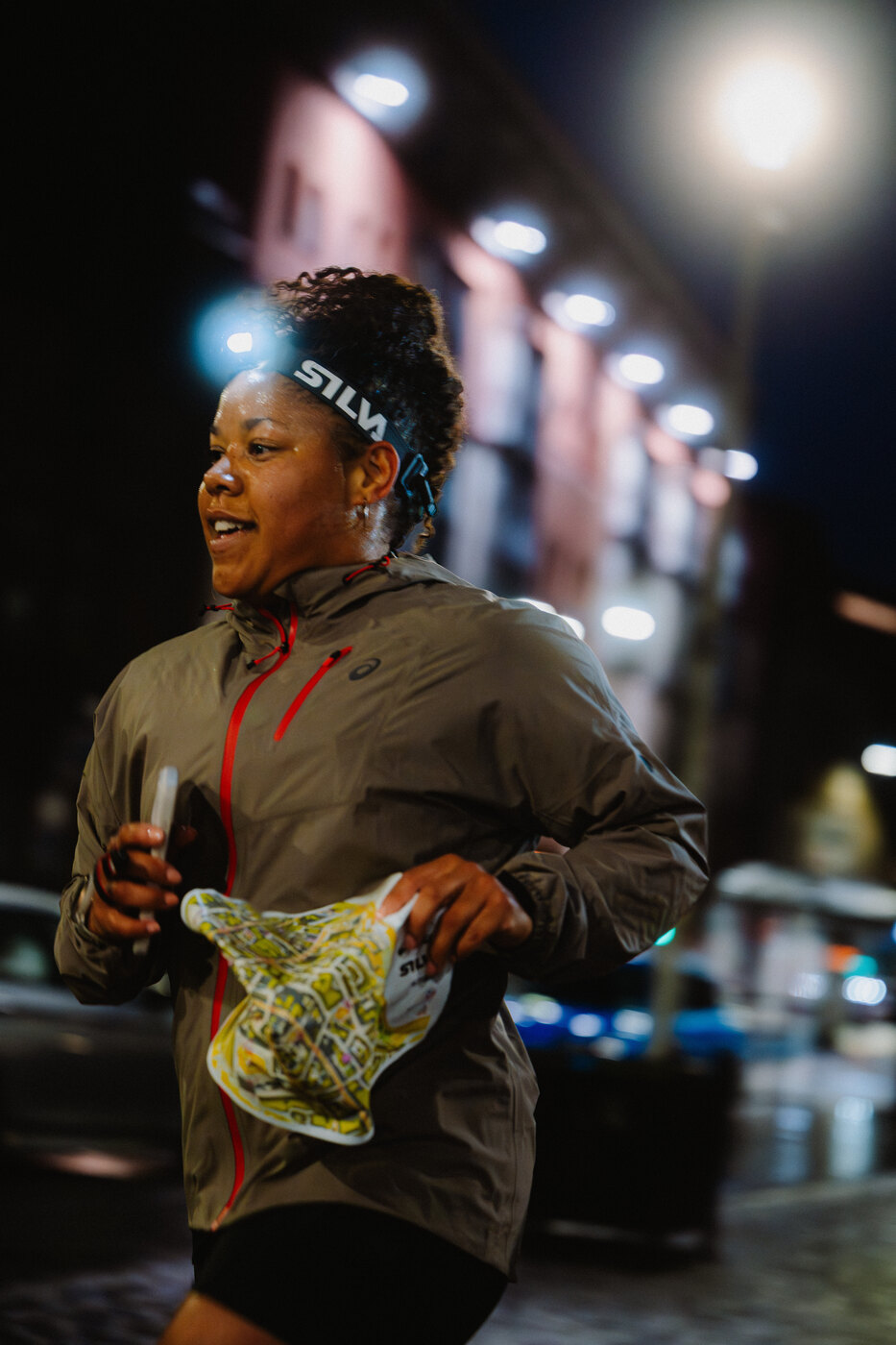
Photograph: Nathan Phua. Supplied by British Orienteering.
Who Is Orienteering For?
One of the things that surprises many newcomers is how varied the orienteering community is.
Children, families, walkers, runners, retirees and competitive athletes can all enjoy the sport in different ways. Some participants like to test themselves against the clock, while others take a more leisurely approach and focus on exploration.
There is no single "type" of orienteer.
That's part of the appeal.
Why People Keep Coming Back
Your first event may not be perfect.
You might overshoot a control. You might spend longer than expected working out where you are. You might discover there was a much better route than the one you chose.
But you'll almost certainly finish having learned something.
That's one of the reasons people stay involved. Every event presents a new challenge, a new place to explore and a fresh puzzle to solve. The combination of movement, navigation and discovery means there is always something new to learn, whether you've attended one event or one hundred.
No two courses are ever quite the same.
Thinking About Giving It a Go?
If you enjoy walking, running, exploring new places or simply paying closer attention to the world around you, orienteering could be worth discovering. It offers a reason to look differently at places you know and an excuse to venture into places you don't.
You don't need expensive equipment or years of experience. Just turn up, ask questions and be prepared to think a little differently about the world around you.
You may arrive wondering what orienteering is all about.
Like many before you, you might leave wondering why nobody introduced you to it sooner.
Ready to Give It a Go?
One of the great things about orienteering is that you don't need to join a club before attending an event. Most events across the UK welcome newcomers, and there will typically be courses suitable for families, juniors and adults trying the sport for the first time.
If you'd like to find an event near you, visit the British Orienteering events page:
Events take place throughout the year in parks, forests, urban areas and countryside locations across the UK, making it easy to find something close to home.
Prefer to explore at your own pace? Why not try a Permanent Orienteering Course or a Virtual Orienteering Course through Go Orienteering? These provide an opportunity to experience the challenge whenever it suits you, whether that's with friends, family or on your own.
Whether you're looking for a new outdoor activity, a different way to explore your local area, or simply an excuse to see the world around you a little differently, there's never been a better time to give orienteering a try.